Wednesday, February 20, 2013

Carbon Monoxide, the "Silent Killer"


Invest in a Carbon Monoxide Detector!

A recent post about space heaters mentioned one risk associated with using space heaters is carbon monoxide poisoning. After doing more research about the topic I decided to share what I've learned in hopes that the information can help you protect your most valuable assets; your life and the lives of your loved ones!

What is carbon monoxide?

Carbon monoxide is a toxic gas that is difficult to detect as it is colorless, odorless, tasteless, and initially non-irritating. It’s commonly referred to as the “silent killer” because it’s virtually undetectable without the use of technology and the symptoms are commonly mistaken for influenza.

What is carbon monoxide poisoning?

Two factors that determine how dangerous carbon monoxide is to humans are the amount of CO present and the length of the exposure. Large concentrations of carbon monoxide will affect you faster but smaller concentrations can have the same harmful effects over longer periods of time.

Breathing in carbon monoxide displaces the oxygen in your blood which deprives your vital organs (heart, brain, etc.) of oxygen. Luckily these issues can be reversed if caught in time but even if you do recover it may result in permanent damage to parts of your body that require lots of oxygen to function. Carbon monoxide poisoning also poses a special risk to fetuses and can result in significant reproductive risk.

Some signs of carbon monoxide poisoning:


How to protect yourself:

A CO detector will put your mind at ease by alerting you if that headache is natural or has a deadly cause. You can purchase a carbon monoxide detector at most hardware stores such as Home Depot and Lowe’s. You can also buy them online from a variety of websites.

Carbon monoxide detectors come in a variety of forms. They are designed to measure carbon monoxide levels over a series of time and sound an alarm before dangerous levels accumulate, which gives you time to evacuate or safely ventilate the area. Some detectors plug into standard electrical outlets and others are sold as a dual smoke/CO detector. Do your research to make sure you get the best product to suit your needs.

*This is just some general information I've compiled about carbon monoxide poisoning. View this OSHA Fact Sheet for more details about who it affects, occupations that are more at risk for exposure, how employers can prevent exposure, and more.

Friday, February 15, 2013

Space Heaters


The Weather is Cooling Down,
Do You Know How to Heat It Up Safely?


The United Safety Council is aware that most people located in northern states where cold weather is inevitable have a general knowledge of how to use space heaters properly and safely. However, as the Safety Council's main offices are Florida-based, we feel some of our clients may need this reminder. We recommend anyone interested in using a space heater read on. Also, although you may think you know everything about the topic, non-Floridians feel free to keep reading to brush up on your space heater safety knowledge!

What are space heaters?

This may seem like an odd question but some people honestly don’t know because they've never used one.

When the weather gets cooler, instead of turning up the heat in your home you can purchase a space heater to warm a small space. They can be portable or wall mounted and can be electric or run off of natural gas or propane. The former is recommended as there are many safety hazards associated with the others which will be discussed shortly.

Safety Issues Related to Space Heaters

The two primary health risks from space heaters are the risk of fire and the risk of carbon monoxide poisoning. In 2006, an estimated 19,400 reported home structure fires involving stationary or portable space heaters resulted in 390 deaths, 820 injured persons and $478 million in direct property damage.  

If you smell gas at any time, inside or outside of your home:

    1. NO FLAMES OR SPARKS! Extinguish all smoking materials & open flames. Don’t operate 
        lights, appliances, telephones or cell phones. Flames or sparks from these sources can 
        trigger an explosion or a fire.
    2. LEAVE THE AREA IMMEDIATELY! Get everyone out of the building or area where you 
        suspect gas is leaking.
    3. SHUT OFF THE GAS. Turn off the main gas supply valve on your propane tank if it is safe 
        to do so. To close the valve, turn it to the right (righty tighty!).
    4. REPORT THE LEAK. From a neighbor’s home or other building away from the suspected 
        gas leak, call your propane retailer right away. If you can’t reach them call 911.
    5. DON’T RETURN TO THE BUILDING OR AREA until your propane retailer, emergency 
        responder, or a qualified service technician determines that it is safe to do so.
    6. GET YOUR SYSTEM CHECKED. Before you attempt to use your propane appliances,  a 
        qualified service technician must check your entire system to ensure that it's leak-free.

Preventative Measures

  • Use the right kind of heater. Some are designed only for indoor use and some are only outdoor use. Make sure you keep them in their designated area. 
  • When selecting a heater, look for one that has been tested and certified by a nationally recognized testing laboratory.
  • Read your space heater manual. It may seem like common sense but it explains how to set up and operate your space heater safely. Follow the manufacturer’s operating instructions and keep it in a convenient place to refer to.
  • ALWAYS keep children and pets away from space heaters! Some heaters have very hot surfaces.
  • Children should NEVER be permitted to adjust or move the space heater. 
  • ALWAYS place heaters at least three feet away from objects such as bedding, furniture, and drapes.
  • NEVER use heaters to dry clothes or shoes.
  • NEVER place heaters where towels or objects could fall onto it and start a fire.
  • NEVER leave a heater on when you sleep or leave the area.
  • NEVER use or store flammable liquids around a space heater. The flammable vapors can flow from one part of the room to another and be ignited by an open flame or electric spark. 

Monday, February 11, 2013

Break Up With Bad Driving Habits


February is the month of love and I find myself very fortunate that I have a lot to love like my family, my boyfriend, my job, my classes, etc. I used to love driving too but lately I find that cruising around town is more frustrating than pleasant. It’s not the act of driving itself that I find aggravating, but the selfishness and lack of consideration of other motorists that irks me. So, in honor of the month of love, I’ve compiled a list of driving pet peeves in hopes that people will recognize and break up with poor habits they weren’t aware of which may lead to others rekindling their love of driving... Maybe. 

1) Changing lanes in an intersection.
Most car crashes happen in intersections than any other parts of the road. This is largely a result of motorists speeding up to make it through a yellow light but is also caused by inappropriate lane changing in the intersection. There aren’t lines in an intersection so it’s difficult to determine how far to move over. It is easy to overshoot your target lane and end up too far into the next lane which can lead to an accident. Also, it’s just not courteous and it’s illegal so be prepared to hear an angry honk or the sound of a siren behind you.

2)  Not using blinkers.
OK, I’m a turn signal enthusiast. I’ve actually been teased for using my turn signal at 2 a.m. to get into my driveway in a cul-de-sac when nobody is out! But all kidding aside, turn signals are extremely important. You can’t assume that other motorists will predict your actions and if you take into consideration that most drivers are distracted, changing lanes without warning can result in a rear-end collision. Now consider that the lane you are moving into has a motorcyclist. If you didn’t notice the motorcycle then using your blinkers would give the rider enough time to slow down and let you enter safely.

3)   Speeding in parking lots.
This should be a no-brainer but how many times have you started backing out of a parking spot only to slam on your brakes because another vehicle sped by behind you? Speeding in a parking lot isn’t smart because first off, it’s speeding and second, so much happens in parking lots that you need to be aware of! You have pedestrians crossing lanes without crosswalks, people pushing shopping carts, cars backing out, etc. I can only assume parking lot speeders are in a rush to get somewhere but honestly, given the size of a lot, the amount of time they save is inconsequential, maybe 15 to 30 seconds? However, if their actions cause a fender bender they will be taking more time to exchange information and wait for a police report, not to mention all of the time they will use later on to make sure everything is taken care of.

4) Rolling stops.
Rolling stops refer to when a vehicle never comes to a complete stop. The driver may slow down and look around before advancing but their tires are constantly in motion. When you truly stop it takes additional time for you to start moving again, whereas with a rolling stop you are able to speed up much more quickly. Say you want to turn right at an intersection. You look left and determine you are able to go so you start moving but, as you’re turning,  you realize there was a bicyclist coming from the right. The difference between a rolling stop and a complete stop is you’re less likely to hit the cyclist if you were at a dead stop and if you do hit them there will be less harm done.

5)  Last minute lane changing.
Have you ever seen a car try to cross three lanes on a busy street to make a turn? It’s pretty scary to witness because it affects all of the surrounding vehicles and involves a lot of slamming on brakes and quick reaction times. Instead of taking a huge risk on the off chance you will make it across the street in time to make a turn just stay in your lane and continue driving until you can make a legal U-turn. It’s safer for your vehicle, its inhabitants and all of the surrounding vehicles and their passengers.

So these are just a few of my driving pet peeves, feel free to list some of your own in the comment section below! And remember, each of the items discussed above can not only result in an accident but may lead to a traffic ticket and fine. Sometimes relationships can be difficult but you need to know when to end them. Breaking up with bad driving habits could be the best decision you make. 


Tuesday, December 18, 2012

December 21, 2012... the end of the world?


This Friday, December 21, 2012, is the last day on the Mayan calendar. Some say it’s the end of the world, others say the Mayans just got lazy and stopped counting. Honestly, I’m not concerned because apparently the Mayan calendar doesn't include leap years and if you do the math the day in question has already come and gone.

Although most people aren't concerned about this upcoming “apocalypse” it has become a great excuse to throw a party! Facebook is blowing up with invites to “end of the world” parties. I've already been invited to multiple house parties, a paint party, and I can’t even count the number of bars and clubs that are using this theme to promote their drink and cover specials.


I’m a fan of themed parties and love a reason to get my friends together, but I would like to make a small PSA on the topic. Just because it’s not the end of the world, doesn't mean it can’t be the end of yours. When you drink and drive you put yourself and everyone around you at risk. Drunk drivers not only put their lives at risk, but their passengers and innocent drivers on the road often fall victim to the selfish act. Even if you spare yourself and others from injury and get lucky and make it home with just a DUI, with a starting cost of $8,000, a DUI is going to put a dent in your wallet and could mean the end of your job or career goals. But what if you don’t make it home? What if your decision to get behind the wheel means that someone else doesn't make it home? Personally, I wouldn't be able to handle the fact that I caused a preventable tragedy.

Please go out and have a wonderful time celebrating that it’s NOT the end of the world this Thursday and Friday but pledge not to drink and drive. Get a designated driver, call a taxi, do what you have to do to make sure that the Mayan calendar didn't predict the end of your world as you know it. 

Monday, December 3, 2012

Mall Parking Lot Safety


Black Friday may be over but ‘tis the season, as it were, for shopping! Although one of the more hectic shopping days of the holiday season has passed, the malls are going to be more crowded than usual all the way up to the new year.

Generally this is a joyous time however, with the fun of purchasing Christmas and Chanukah gifts comes an increasing amount of burglary, assault, and carjacking crimes. Be smart and keep your safety and security high on your priorities list this year by following these tips for mall parking lot safety.

1.       Be aware and alert to your surroundings at all times as you are going to your car.  Notice who is hanging around the parking lot - especially at night.  If you are talking on your cell phone and not paying attention to what’s going on around you, you are exactly the person the perpetrator is looking to attack. 

2.     Have your keys in hand and be prepared to use them as a weapon. If used appropriately, your key can be a handy weapon to ward off an attacker. A secondary weapon would be to carry pepper spray on your key chain. 

3.       As you near your car, only unlock the driver’s side door with your remote.  If you have a clicker for your car wait until you are fairly close before unlocking the door. Also, only unlock your side.  When you press the remote button more than once, it will unlock all doors and someone may be 
       hiding on the other side of your vehicle waiting to jump in. 

4.       Before getting into your car (especially at night), check to make sure there is not someone hiding inside. Purchasing a dual personal alarm with a loud siren and built-in flashlight will allow you to check inside your car at night.  Make sure to always lock your car doors upon exiting so that you don’t make it easier for someone to sneak into the car.

5.       Manually lock your car doors. If you use your car clicker to lock your doors, it is possible for someone to pick up the signal and use it to unlock the doors as you walk away. By manually locking the car, you eliminate this risk.

6.       Don’t leave your valuables unattended.  This is a great time for the criminal to rip off your packages or your purse.  If you’re trying to get a baby strapped into the seat, look around to see who is nearby.  If it looks okay, get your child strapped in and then put your valuables in the backseat or trunk.  Always be looking around and monitoring the situation.  You don’t want to give someone the ability to force you into your car OR the trunk because you were not closely paying attention. 

7.       If you’re going to be shopping for awhile, be sure to wear comfortable shoes…and that’s not high heels.  If you are attacked as you
                   head to your car, you may not be able to get away quickly if you have on 3” 
                   high heels so nix the heels for some comfortable shoes.  

8.       Avoid parking near large vehicles or shrubbery or up close to a building – especially if you are alone. If you are walking out to your car alone late at night to an unlit area covered with shrubs, you may become a target for some predators.  If you can’t find a parking spot and have to park there, come back before it gets too dark and move the car closer to the entrance or have the mall security escort you to your car.  When returning to your vehicle, be leery of large vans with sliding doors parked right next to your driver’s side of your car.  If your gut tells you this doesn't feel right, go back into the mall and have security escort you out to your car.  If you decide to approach and enter your vehicle without security, do so from the passenger side but make sure you lock doors immediately upon entering then exit the parking lot right away. 

It may seem like a lot to take in but it's better to be safe than sorry, right? 

Have a wonderful time shopping this year!

Safety Stocking Stuffers


Try saying that three times fast!


This year in lieu of exchanging expensive gifts, my boyfriend and I decided we are going to decorate stockings together and fill them with stocking stuffers. Cute, right? Even better, for me at least, is this is my first time ever doing the whole stocking stuffer thing! That being said I’ve been hunkering down and doing my research, which made me realize that there may be some seasoned stocking-stuffing veterans out there who are looking for new ideas. So, as a gift from the United Safety Council to you,
we’ve compiled a list of our top 10 favorite 
safety stocking stuffers!


1. Pepper spray – This can be a small can or key chain and maybe something that resembles a tube of lipstick or a pen. I love everything offered on this site because of the variety. There’s even a pepper spray weight you can carry while you’re exercising! This isn't really a gift that should be used frequently but it’s definitely good to have on hand in case of an emergency. 

2.  Key chain with a light and/or alarm – A flashlight can be useful on a daily basis. For safety purposes, we recommend using it to check inside and under your vehicle before you unlock the doors at night to avoid any predators who may want to abduct or rob you. The alarm aspect of the key chain also comes in handy if you are being attacked or feel threatened. The sound is loud enough to make anyone nearby come closer to investigate.

3. Storm-proof match kit – We all have those friends that make sure their survival kits are easily accessible and well-stocked. We may mock them at times but in the event of an emergency they are the first ones we go to for help. These kinds of matches are great for those who like to be prepared for anything. They are windproof, waterproof and will relight even after they are submerged. 

4. Cabinet locks – This gift is more for people with homes that have guns. Whether or not you have children in the home it is always recommended to keep your weapons locked up safely. Cabinet locks can also be used to keep children away from cleaning supplies and chemicals. You can find locks at any store that sells guns or gun supplies such as Walmart, sporting goods stores, and fishing and hunting stores. 

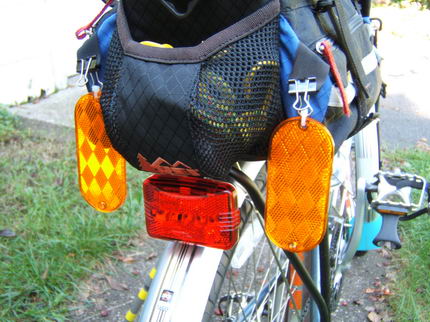
5. Reflectors/Reflective clothing – The perfect gift for anyone who goes out after dark, which is most people. It doesn’t matter whether they are riding a bike or walking the dog, your loved one may not be visible to oncoming cars and they will really appreciate that you care enough to give them some extra protection.

6. Pocket knifeBuyer beware, this is only a safety stocking stuffer if it is given to the appropriate person, as in not children! It doesn’t have to be anything fancy, just something to get the job done. You can find some that suit your needs here.  

7. Ear plugs – This gift is more for the avid concert-goers. Frequent exposure to noise at a high decibel can do some serious damage to your hearing. Plugs like these will still allow them to hear the music they want to but offer a little protection as well.

8. Knee and elbow pads – OK, so mothers may appreciate these stocking stuffers more than their children but if you have someone active on your shopping list then padding is the perfect answer. You can find these items at any sporting goods store and at places such as Target and Walmart. 

9. Water-activated wristband alarm – Oops, this is also something mothers may appreciate more than their children. This stocking stuffer will keep you from worrying about your children when you’re camping, fishing, boating, etc. and they’re not supposed to be in water. Water activates the alarm and it is audible for up to 100 feet. 

10. Auto emergency escape tool – Anyone who owns a vehicle would be happy to have this handy tool in case of an emergency. It breaks 
windows, cuts through seat belts and some, such as 
this one, have a built in flashlight.


Holiday Office Decor


The beginning of December is an exciting time since it marks the beginning of the holiday season! Before you know it you get a break from school or work, get to see your family, eat great food, exchange gifts and the holiday fun continues until New Years!

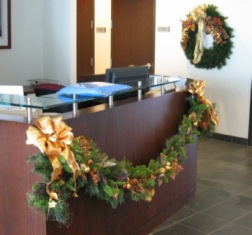
Some offices enjoy decorating and even throwing parties for their employees. This is a great way to spread some holiday cheer. Although these are happy occasions it is important to be mindful of potential safety hazards. 

When decorating your work-space, keep some of the fire safety tips in mind:

  • Do not use any decoration that has an open flame
  • Don't place staples or nails through strings of lights
  • Don't connect too many strands of lights together
  • If decorating outside of the office, be sure to use lights for exterior use
  • Turn off all illuminated items when the office is closed (put someone in charge of this task to avoid confusion)
  • Before beginning to decorate, verify that all of your fire safety equipment is in proper working order (this includes smoke detectors and fire extinguishers)
  • Think carefully before using extension cords to connect lights or other decorations
  • Avoid placing trees, gifts, or freestanding decorations in heavily trafficked areas where people might run into or trip over them 
  • Make sure your decor does not compromise people’s ability to exit the workplace in case of an  emergency
  • Don't place decorative items in exit corridors, in front of exit signage, or on fire safety equipment including sprinkler head

And remember to keep all relevant OSHA regulations in mind when planning your office and party decor! By following a few simple safety tips, it's easy to enjoy festive holiday decorations and events at work without having to deal with injuries or property damage.